
How to Design a Kitchen That Works Harder,
Not Just Looks Good
As featured in Australian House & Garden, September 2026

We’re thrilled to share that Freedom Kitchens was invited to contribute to Australian House & Garden Magazine’s “Ask An Expert” column this month. Our own Zoe Abbott, interior designer at Freedom Kitchens, sat down with the magazine to unpack the design principles she leans on most when helping our clients solve real kitchen pain points, no matter the size, shape, or budget of the space.
Here’s a look at the five pieces of advice Zoe shared, and how you can apply them to your own kitchen renovation.

1.Lay It Out First
Before you fall in love with a colour palette, benchtop or splashback tile, Zoe says the kitchen layout has to come first. It’s one of the biggest decisions you’ll make and one of the hardest to change once your kitchen cabinetry is installed, so getting it right from day one is essential.
“The layout is the foundation of a kitchen. Get that right first, and everything else can follow.”
Start by thinking about how you actually use your kitchen day to day. Where do you naturally move between the fridge, sink and cooktop? Where do you need bench space for preparation? What needs to be within easy reach? Thinking through these details before choosing finishes can help create a kitchen that looks beautiful and functions effortlessly.

2.Light It Up
Lighting is one of the most underestimated elements of a kitchen renovation and one of the easiest to get wrong when it’s treated as an afterthought. Zoe recommends considering your lighting scheme from the outset, combining ambient, task and accent lighting to create a space that works beautifully at every time of day.
“Don’t rely on one overhead light to do everything. Layered lighting makes a kitchen feel warmer and work so much harder.”
Zoe is also a fan of flexible LED strip lighting, which can be integrated into cabinetry to add warmth, depth and practical task lighting. From illuminating benchtops to highlighting open shelving, considered lighting can make a significant difference to both the look and functionality of your kitchen.

3.Double Down On Storage
Efficient storage isn’t simply about adding more cupboards and drawers wherever they’ll fit. Zoe’s approach starts with understanding how a household actually cooks, entertains and lives.
“Good storage isn’t about having more cupboards. It’s about making sure everything has a place that works for the way you actually use your kitchen.”
Storage consistently ranks high on kitchen wish lists, and thoughtful planning can make even smaller or awkward spaces work harder. Deep drawers near the oven are ideal for pots and pans, while dedicated cabinetry can keep glassware and small appliances organised. Corner carousels and pull-out pantries can also make otherwise difficult-to-access areas much more functional.
4.Play For Keeps
While it’s tempting to design a kitchen around the latest trends, Zoe believes it’s important to think about how your choices will feel years from now. After all, cabinetry, benchtops and other major elements aren’t things you’ll want to replace every few years.
“For the elements that are expensive to change, I always recommend thinking beyond current trends and choosing something you’ll still love years from now.”
Timeless choices such as shaker-style cabinetry and neutral colours can provide a lasting foundation, while smaller details can be used to bring personality and current trends into the space. Handles, tapware and light fittings are much easier to update as your tastes evolve, allowing you to refresh the look without renovating the entire kitchen.
5. Up The Ante
If space and budget allow, Zoe’s advice is to consider a few optional extras that can take a kitchen from functional to exceptional, particularly if you love entertaining.
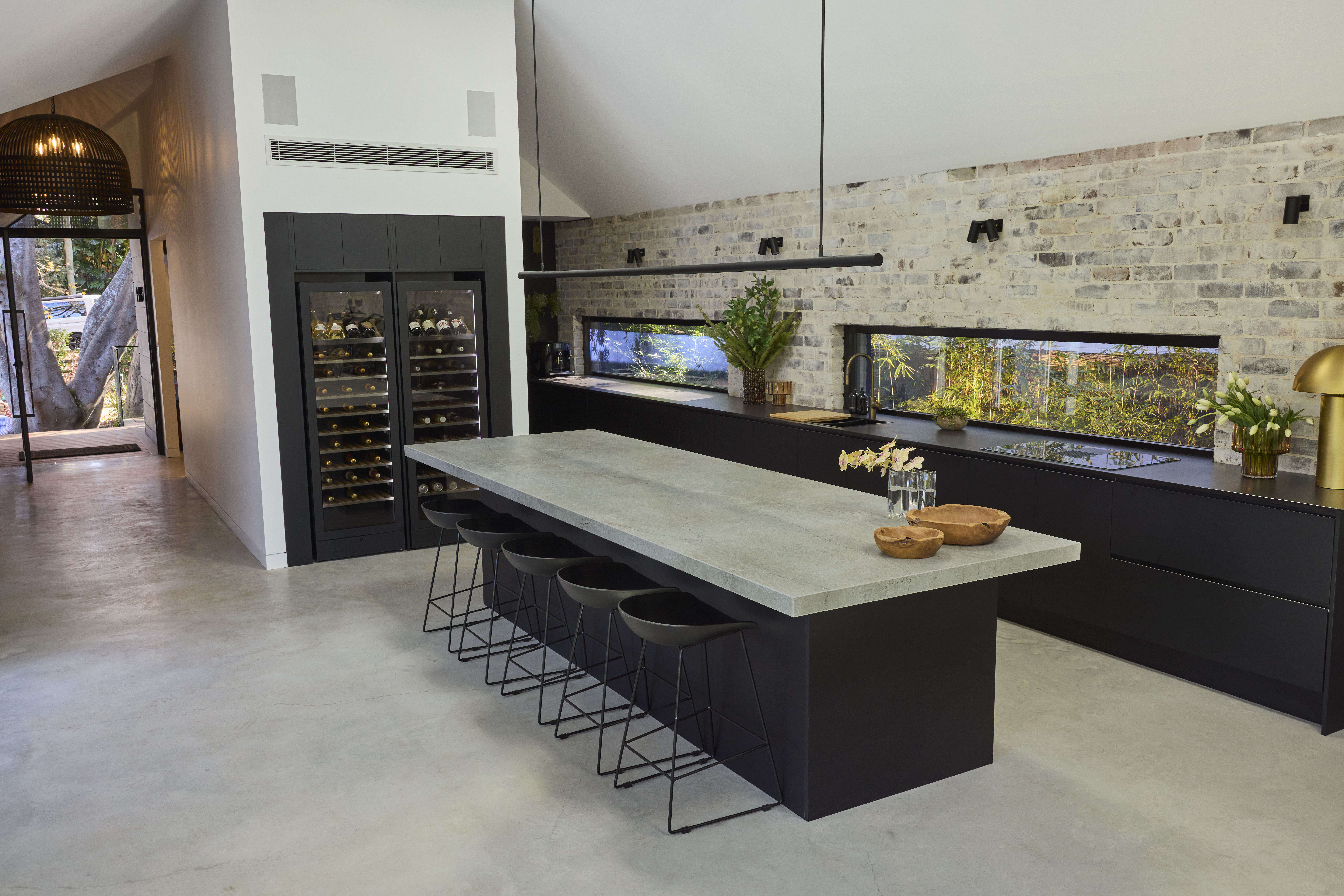
“If you love entertaining, think about how your kitchen can bring people together. An island can completely change the way you cook and host.”
An island bench can transform the way a kitchen works when you’re entertaining, giving guests a natural place to gather while keeping the cook part of the conversation. A butler’s pantry is another favourite for entertaining, providing additional preparation and storage space while keeping mess and appliances out of sight.
Together, these features can make a kitchen feel more connected, considered and enjoyable to use — whether you’re preparing a quick weeknight meal or hosting friends and family.

Ready to create a kitchen that works harder?
From getting the layout right to planning smarter storage and lighting, thoughtful design can make all the difference to how your kitchen looks, feels and functions.
Want to bring these principles to your own kitchen? Book a free design appointment with one of our Freedom Kitchens designers HERE, or explore our Designer Kitchen Catalogue HERE for inspiration.
Story: Rachel White for Australian House & Garden.